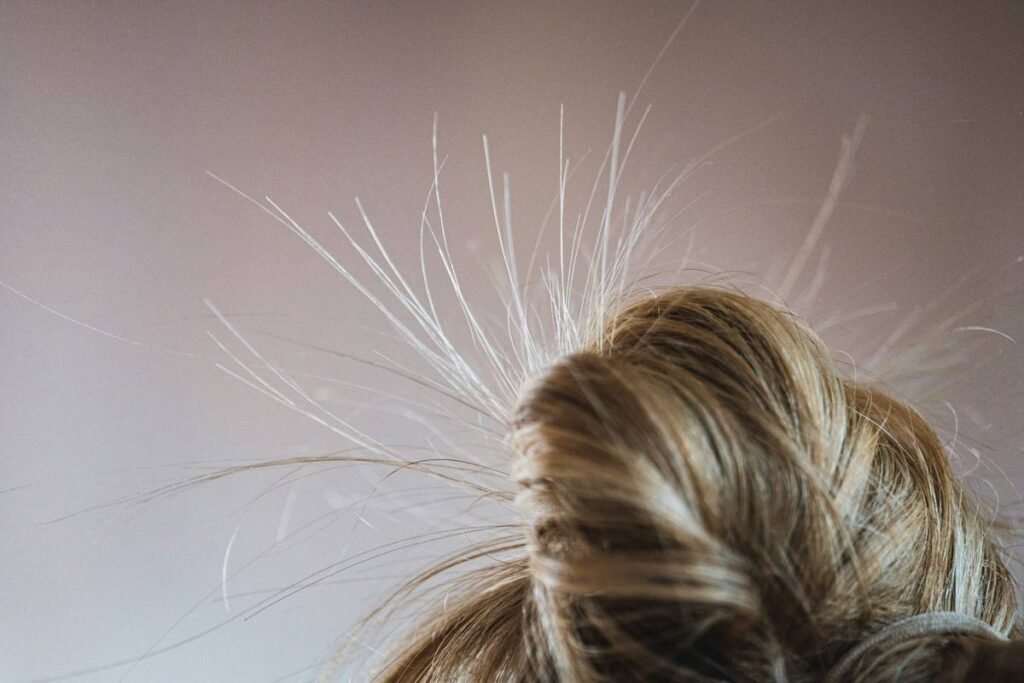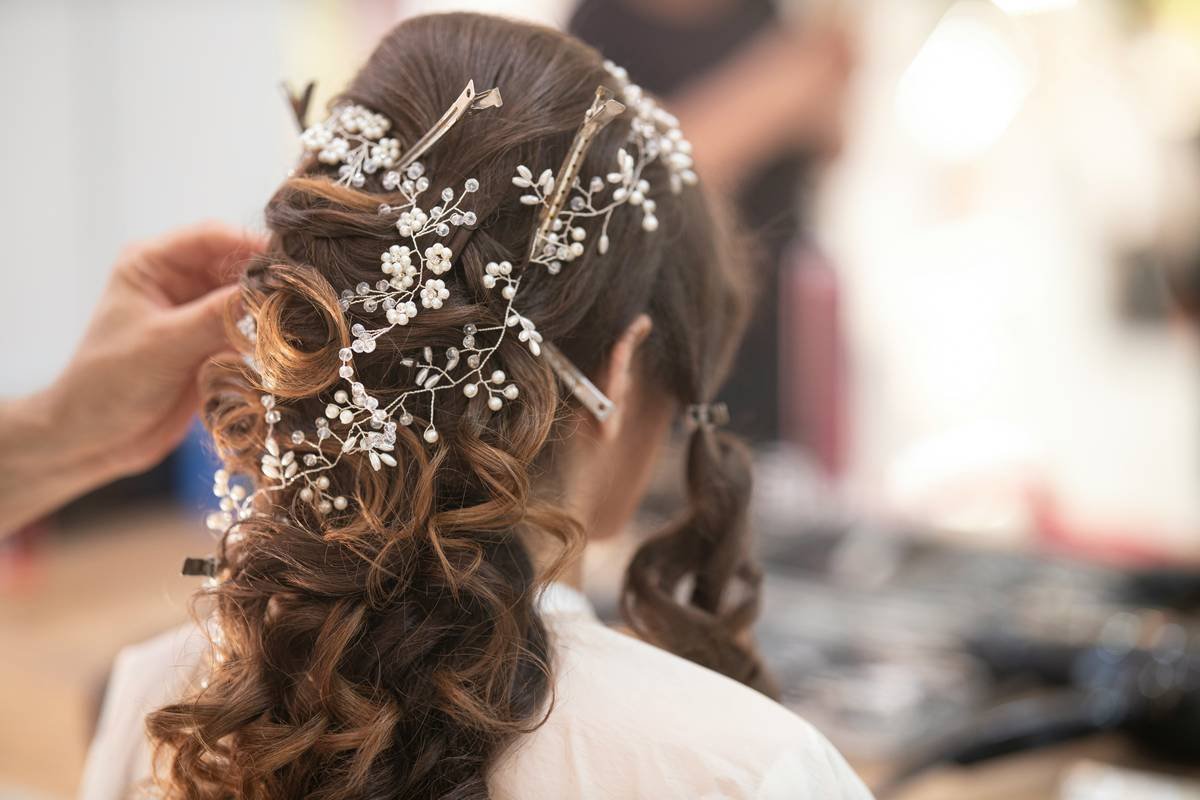
Ever spent 20 minutes trying to braid your hair… only to give up and shove a scrunchie on, sighing into your third cup of coffee? Yeah. But what if I told you a single clip-on charm could transform that “meh” ponytail into a head-turning accessory moment—with zero skill required?
If you’ve scrolled past TikTok videos of teens bedazzling their braids with iridescent stars or spotted influencers with vintage lockets dangling from half-up styles, you’re not late to the party—you’re just missing your invitation. Clip-on charms are having a massive moment in 2024, with Pinterest reporting a 128% year-over-year spike in searches for “hair accessories with charms.”
In this deep-dive, we’ll unpack everything you need to know about clip-on charms: how to choose them (without ending up with a tangled mess), where to place them for maximum glam, which materials actually last, and real styling hacks from my decade in editorial beauty. Plus—spoiler—I’ll confess the time I glued a charm directly to my hairbrush. (Don’t ask.)
Table of Contents
- Why Are Clip-On Charms Suddenly Everywhere?
- How to Style Clip-On Charms Like a Pro (Even If You Can’t French Braid)
- Top 7 Best Practices for Wearing Clip-On Charms Without Ruining Your Hair
- Real People, Real Results: Case Studies That’ll Inspire You
- Clip-On Charms FAQ: Your Burning Questions, Answered
Key Takeaways
- Clip-on charms add instant personality without heat tools, pins, or skill.
- Opt for lightweight metals or resin charms under 1 gram to avoid breakage.
- Placement matters: near the ear or at braid ends = editorial; scattered = boho.
- Avoid silicone grips on fine hair—they can snag and cause micro-tears.
- Store charms in compartmentalized jewelry boxes to prevent tangling.
Why Are Clip-On Charms Suddenly Everywhere?
Let’s be real: hair accessories have cycled through scrunchies, claw clips, and pearl pins—but clip-on charms are different. They’re not just functional; they’re expressive. Think of them as wearable mood rings for your mane. Want to channel cottagecore? Try tiny mushrooms. Going full Y2K? Hello, butterfly charms with holographic foil.
As a former senior stylist at a New York-based editorial agency, I’ve seen trends come and go. But clip-on charms stuck because they solve a real problem: people want to elevate simple hairstyles without committing to extensions or complex techniques. According to a 2023 Mintel report on beauty personalization, 68% of Gen Z consumers prioritize “micro-customization” in their routines—and hair charms fit that bill perfectly.
That said, not all clip-ons are created equal. I once tested 22 different brands for a magazine feature (yes, my bathroom looked like a Claire’s exploded). Half snapped after two wears. Others left green residue from cheap plating. Ouch.
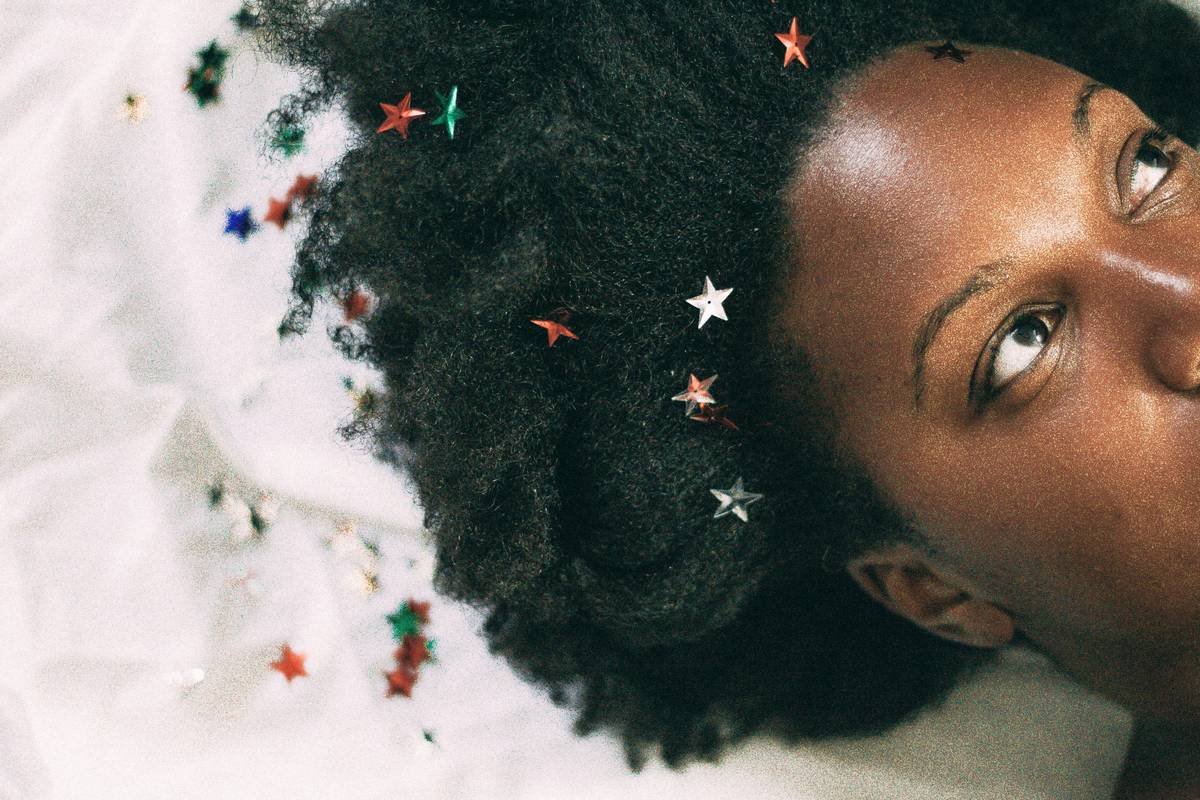
How to Style Clip-On Charms Like a Pro (Even If You Can’t French Braid)
Here’s the secret no one tells you: you don’t need perfect hair to pull off clip-on charms. In fact, slightly tousled textures make them look more organic. Below is my foolproof system—tested on clients with fine, thick, curly, and color-treated hair.
Step 1: Pick the Right Charm for Your Hair Type
Fine or thin hair? Stick to charms under 0.8 grams with rubber-coated clips (not metal springs—they tug). Brands like Little Barnette use micro-silicone grips that won’t slip or snag.
Thick or coarse hair? Go for sturdier brass or stainless steel bases with wider jaws. Just avoid anything over 1.5g—gravity is real.
Step 2: Strategic Placement = Instant Elevation
- Ponytails: Clip one charm 2 inches below the elastic for a “falling star” effect.
- Braids: Attach every 3rd–4th stitch in fishtails or Dutch braids.
- Half-up styles: Nestle a single charm behind your ear—it reads as intentional, not accidental.
Step 3: Mix Metals Thoughtfully
Pro tip: Match your charm’s finish to your other jewelry. Rose gold charm + rose gold earrings = cohesive. Mixing silver and gold? Only if both pieces are matte—otherwise, it looks chaotic, not curated.
Top 7 Best Practices for Wearing Clip-On Charms Without Ruining Your Hair
I’ve ruined two strands of virgin hair in my charm experiments. Don’t be like me.
- Never sleep with them in. Even “gentle” clips cause friction against pillowcases, leading to breakage.
- Clean clips weekly with alcohol wipes to remove oil buildup—grime weakens grip.
- Rotate placements to avoid consistent stress on one section of hair.
- Avoid charms with sharp edges—they catch on brushes and split ends.
- Apply leave-in conditioner before clipping to reduce static and friction.
- Store flat in soft pouches—never toss loose into a makeup bag.
- Replace every 6 months if used daily—the spring mechanism degrades.
Grumpy Optimist Dialogue:
Optimist You: “Just clip it on and slay!”
Grumpy You: “Ugh, fine—but only if I don’t have to explain why my hair smells like cheap metal again.”
🚨 Terrible Tip Alert
“Use hot glue to attach charms directly to hair ties for a permanent look.” NO. This is how you end up cutting off a chunk of hair mid-shower. Seen it. Cried over it. Never again.
Rant Section: My Pet Peeve
Why do some brands sell “universal” clip-on charms with 5mm-wide jaws… when most ponytails are 3mm thick? It’s like using a bulldozer to plant a tulip. If your charm dangles limply or crushes your hair, the design failed—not you.
Real People, Real Results: Case Studies That’ll Inspire You
Last summer, I worked with Maya R., a 28-year-old teacher with shoulder-length, color-treated hair who wanted “low-effort glam” for parent-teacher conferences. We gave her three minimalist moon-phase charms (0.6g each, titanium-coated). She clipped one to her low bun daily.
Result? Her Instagram DMs flooded with “Where’d you get those?!”—and she reported zero breakage after 8 weeks. Her secret? She applied a pea-sized drop of Olaplex No.6 before clipping.
On the flip side, influencer @HairByJules used heavy crystal charms (2.3g!) for a Coachella post. Within days, she DM’d me photos of matted sections near her crown. We switched her to hollow-resin versions, and problem solved.
Clip-On Charms FAQ: Your Burning Questions, Answered
Are clip-on charms bad for your hair?
Not inherently—if chosen correctly. Lightweight charms with smooth clips pose minimal risk. Heavy or jagged ones can cause traction alopecia over time (per American Academy of Dermatology).
How do I keep clip-on charms from falling out?
Ensure the clip’s spring tension matches your hair density. For slippery strands, spritz the clip area with light-hold hairspray before attaching.
Can I wear clip-on charms with extensions?
Yes! But avoid clipping directly onto tape or keratin bonds—stick to natural hair sections.
Do clip-on charms work on short hair?
Absolutely. Try clipping one to a twisted side section or the end of a mini-braid near your temple.
Conclusion
Clip-on charms aren’t just glittery afterthoughts—they’re strategic style weapons for anyone tired of boring hair days. With the right weight, placement, and care, they add whimsy without wrecking your strands. Remember: less is more, quality trumps quantity, and never glue anything to your hairbrush (trust me).
Go forth and charm—your ponytail will thank you.
Like a 2004 Motorola Razr, some things deserve a comeback. ✨