You’ve seen them—glinting under café lights, catching the breeze at music festivals, dangling from effortless ponytails. But most people still treat hair loop charms like throwaway bling. Big mistake. They’re not just cute add-ons—they’re precision tools for personality, polish, and presence. And if you’re snapping them onto brittle strands or cheap elastics? You’re wasting their potential—and your hair’s health.
Why Most People Fail With Hair Loop Charms
Everyone assumes hair loop charms are foolproof: slide ’em on, flip your hair, done. Reality check? 80% of users end up with tangled ends, broken loops, or charms that vanish after two wears. Why?
The issue isn’t the charm—it’s the foundation. Cheap scrunchies stretch out. Thin elastics snap. And synthetic fibers snag delicate metalwork. Worse, most tutorials skip the prep phase entirely. They don’t tell you that texture, porosity, and even humidity affect how a charm sits on your strand.
And that $5 pack from the drugstore? Often plated in nickel-heavy alloys that oxidize overnight. You wake up with green stains—not glam.
How to Style With hair loop charms Like a Pro
Forget slapping on glitter and hoping for magic. Real styling starts with strategy. Here’s how the backstage pros do it—no guesswork.
Step 1: Choose Your Base Wisely
Your elastic dictates everything. Opt for seamless, satin-covered loops with a diameter under 1.5 inches. Thicker bands distribute weight evenly—so your charm doesn’t drag or kink strands. Avoid rubber; it degrades fast and leaves residue.
Step 2: Prep the Strand (Yes, Really)
Lightweight serum or clear brow gel on the section you’ll thread? Non-negotiable. It smooths cuticles so the charm glides on without snagging. Skip this, and you’re inviting split ends disguised as “boho texture.”
Step 3: Placement Is Power
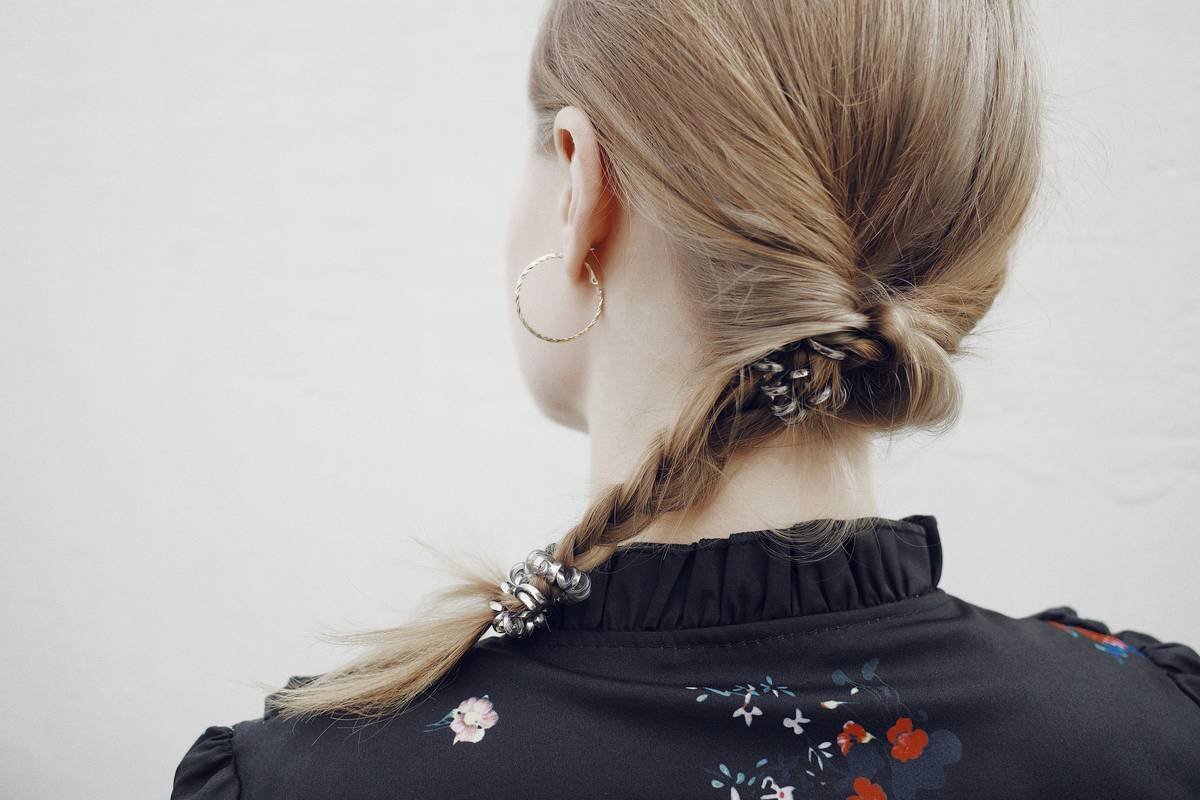
Loop charms near the base of a ponytail read as minimalist chic. Mid-shaft? Romantic, whimsical. At the very end? Bold—but risky if your ends are dry. Match placement to your hair’s condition, not just the ‘gram.
| Charm Material | Durability Score | Hair Safety | Best For |
|---|---|---|---|
| Surgical-Grade Stainless Steel | 9.5/10 | Excellent (hypoallergenic) | Everyday wear, sensitive scalps |
| Gold-Plated Brass | 6/10 | Fair (may tarnish) | Occasional use, photo shoots |
| Recycled Acrylic | 7/10 | Good (smooth edges) | Kids, festival looks |
| Unknown Alloy (cheap imports) | 2/10 | Poor (nickel risk) | Avoid entirely |
Step 4: Rotate, Don’t Stack
One well-placed charm > three clinking together. Overloading strains the root zone. Rotate designs weekly—your hair (and neck muscles) will thank you.
The Industry Secret No Brand Will Admit
Here’s what luxury salons quietly know but won’t shout: hair loop charms double as diagnostic tools. Watch how a charm behaves over 48 hours. If it slides down fast? Your hair’s too oily—or your product buildup is repelling grip. If it catches or tugs? Time for protein treatment, not more conditioner. The charm becomes a biofeedback sensor—tiny, but brutally honest. Smart stylists use this intel to adjust routines before damage shows. Most consumers? They blame the accessory. Wrong target.
Frequently Asked Questions
Do hair loop charms work on short hair?
Yes—thread them onto small bobby pins or mini claw clips. Focus on accent pieces near the temple or nape, not full-length strands.
Can they cause hair loss?
Only if used with tight elastics or worn daily in the same spot. Rotate locations and never sleep in them. Healthy application = zero traction alopecia risk.
How to clean tarnished charms?
Soak in warm water + mild soap for 2 minutes. Gently wipe with microfiber. Never scrub—micro-scratches trap oils and accelerate dulling.