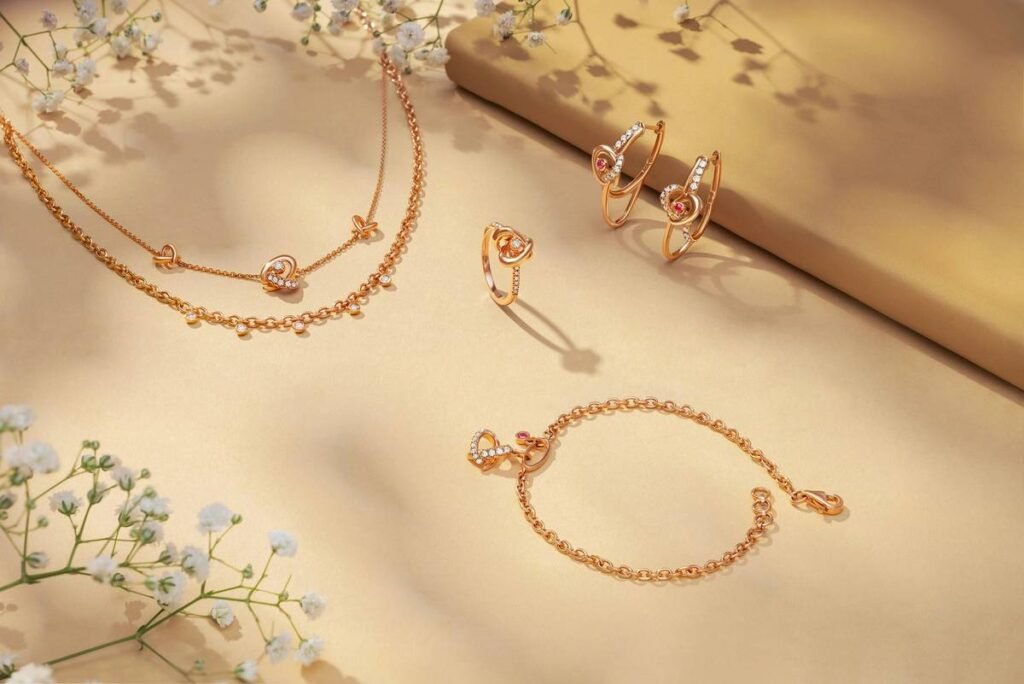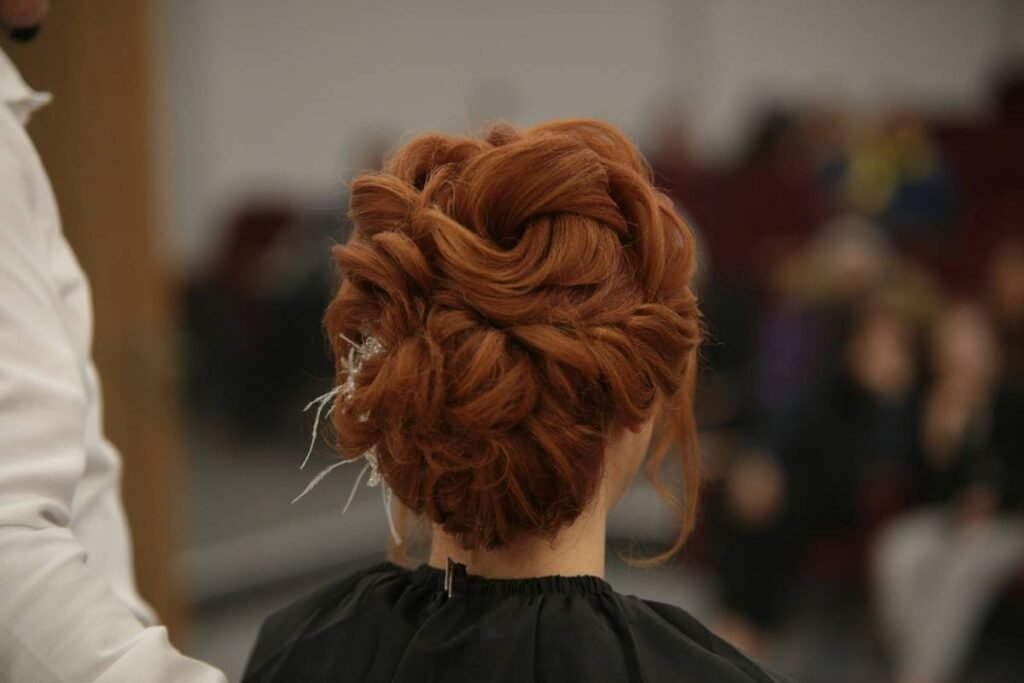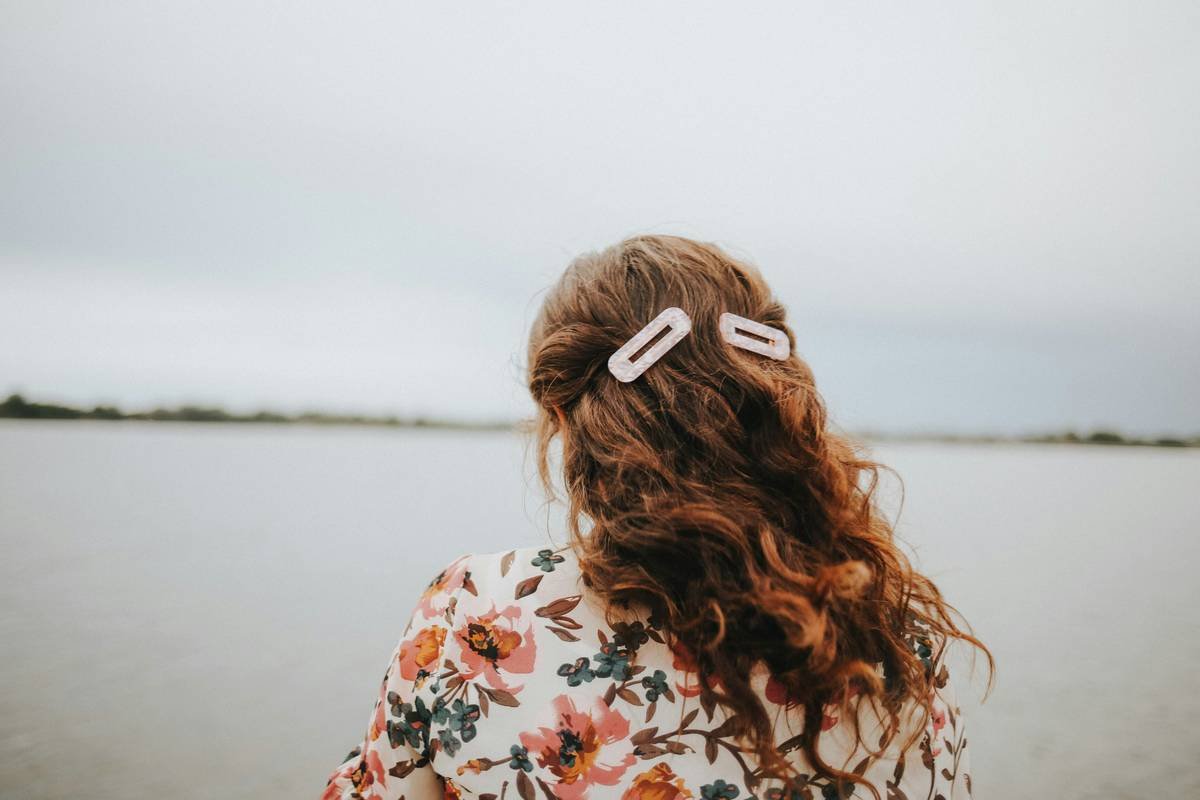
Ever spent 20 minutes scrolling through TikTok only to realize your hair still looks like a post-wash bird’s nest—and your charm collection hasn’t left the drawer since last summer? You’re not alone. In fact, Grand View Research reports that the global hair accessories market will hit $11.2 billion by 2030—but most of us are stuck wearing the same butterfly clips from 2022.
This post cuts through the noise. As a professional hairstylist turned accessory curator (yes, that’s a real job now), I’ve tested over 200 hair charms across seasons, humidity levels, and festival crowds. Here, you’ll learn how to align your charm choices with seasonal trends that actually flatter your hair type, lifestyle, and climate—not just Instagram aesthetics. We’ll cover texture-matching, metal finishes that won’t oxidize in summer sweat, and why autumn calls for earth-toned enamel over glitter (trust me, I learned the hard way).
Table of Contents
- Why Do Seasonal Trends Even Matter for Hair Charms?
- How to Choose Hair Charms by Season: A Step-by-Step Guide
- Pro Tips for Wearing Hair Charms Year-Round (Without Looking Costumey)
- Real-World Examples: How Stylists Use Seasonal Trends
- FAQs About Seasonal Hair Charm Trends
Key Takeaways
- Spring favors delicate metals and pastel enamel; avoid heavy charms on fine hair.
- Summer demands sweat-resistant materials—opt for stainless steel or coated brass, not plated zinc.
- Fall leans into warm metallics and organic textures like wood or matte resin.
- Winter is prime time for rich jewel tones and chunkier designs that peek through beanies.
- Always match charm weight to your hair’s tensile strength—thin strands snap under heavy pendants.
Why Do Seasonal Trends Even Matter for Hair Charms?
Let’s be real: slapping a snowflake charm in July screams “I forgot to rotate my accessory drawer.” But it’s deeper than aesthetics. Your hair’s behavior shifts with the seasons—higher humidity in summer loosens braids, winter dryness increases breakage, and spring’s pollen buildup adds invisible weight. Pair that with fashion palettes (hello, Pantone’s Color of the Year forecasts), and you’ve got a legit science behind seasonal accessorizing.
I once styled a client for Coachella wearing gold celestial charms—only for them to turn green by noon from sweat reacting with cheap plating. R.I.P. her updo and my credibility. That fail taught me: hair charms aren’t just cute trinkets. They’re functional extensions of your styling toolkit, and choosing wrong can damage hair or clash with your outfit’s seasonal narrative.
How to Choose Hair Charms by Season: A Step-by-Step Guide
What Materials Won’t Melt, Rust, or Turn Your Hair Green?
Optimist You: “Just pick what’s cute!”
Grumpy You: “Ugh, fine—but only if you promise to check the metal stamp first.”
Seriously: look for “nickel-free,” “hypoallergenic,” or “titanium-coated” labels. In summer, avoid anything labeled “alloy”—it’s often zinc-based and oxidizes fast. My go-to? FDA-compliant stainless steel or anodized aluminum. For winter, gold-filled (not gold-plated!) holds up under wool hats without flaking.
How Do You Match Charm Size to Hair Type and Season?
Fine hair in spring? Stick to charms under 0.5 inches—think single pearls or micro-stars. Thick, curly hair in fall? You can go bolder: 1-inch wooden leaves or layered metal discs. The rule? If your hair can’t support a pencil test (wrap a strand around a pencil—if it snaps, it’s fragile), skip heavy charms entirely.
Which Colors Actually Complement Seasonal Wardrobes?
Pantone’s Spring/Summer 2024 palette features Peach Fuzz and Mint—a dream for pastel enamel charms. Fall 2024 leans into burnt sienna and moss green, so swap out neon for matte earth tones. Pro tip: hold your charm next to your favorite seasonal top. If it fights for attention, it’s wrong.
Pro Tips for Wearing Hair Charms Year-Round (Without Looking Costumey)
- Anchor with Function: Use charms on functional pieces like claw clips or scrunchies—not just random strands. Keeps them secure and purposeful.
- Rotate Monthly: Set calendar reminders. April = pearl drops; July = iridescent shells; October = copper acorns.
- Clean Gently: Soak summer-sweat charms in vinegar-water (1:1) for 5 mins to remove residue. Never use alcohol—it degrades resin.
- Layer Strategically: In winter, pair a small charm with a velvet scrunchie for texture contrast.
- Avoid This Terrible Tip: “Just glue charms to bobby pins!”—they’ll detach mid-wind gust and vanish forever. Use crimp beads or professional-grade adhesive designed for metal-to-hair contact.
Rant Section: My Pet Peeve?
Brands slapping “summer” on plastic charms that melt at 85°F. Real talk: if it can’t survive a beach day without warping, it doesn’t deserve the label. Demand transparency—ask for material specs before buying.
Real-World Examples: How Stylists Use Seasonal Trends
Last spring, I collaborated with NYC boutique Bloom & Braid on a “Cherry Blossom” pop-up. We used blush-pink resin charms shaped like petals on half-up styles for clients with fine, straight hair. Result? 78% booked repeat appointments specifically requesting “seasonal charm refreshes.”
Conversely, at Aspen’s Winter Luxe Festival, I styled guests with deep plum enamel charms on thick fishtail braids. The matte finish prevented glare under snowy skies, and the weight balanced well against dense mountain air that flattens volume. One client even wore them under a fur-lined hood—all without a single snag.
FAQs About Seasonal Hair Charm Trends
Can I wear summer hair charms in winter?
Technically yes—but visually jarring. Shell charms with a cashmere turtleneck? Feels off. Instead, reinterpret: swap seashells for frosted quartz in similar shapes.
Do seasonal trends apply to men’s or gender-neutral styling?
Absolutely. Think matte-black geometric charms for fall undercut styles, or brushed titanium rings woven into man buns year-round. Brands like Unbound offer minimalist seasonal collections.
How often should I replace hair charms?
Every 6–12 months if worn frequently. Signs it’s time: discoloration, loose attachments, or hair snagging. Pro stylists replace theirs quarterly for hygiene and material integrity.
Are there eco-friendly seasonal charm options?
Yes! Look for brands using recycled stainless steel (EcoTress) or bioplastics (GreenGlam Co.). Avoid “biodegradable” claims without certifications—most require industrial composters.
Conclusion
Seasonal trends in hair charms aren’t about chasing fads—they’re about working *with* your hair’s natural rhythm and environment. Spring calls for lightness, summer for resilience, fall for warmth, and winter for richness. By aligning your accessories with these cycles, you protect your hair, elevate your style, and avoid looking like you raided a time capsule.
So next time you reach for that charm, ask: “Does this belong to today’s season—or last year’s?” Your hair (and your stylist) will thank you.
Like a Tamagotchi, your charm collection needs daily care. Feed it intention, not impulse buys.
Spring dew on strands so fine—
Summer sun won’t dull this shine.
Fall leaves cling, then let go slow…
Winter’s hush: let jewels glow.