Ever spent 20 minutes wrestling your bangs into submission only to have them flop the second you step outside? Yeah. We’ve all been there—clutching a handful of hair clips like tiny lifelines while our “effortless” updo turns into a humid-day nightmare. But what if those little metal-and-plastic warriors did more than just hold strands in place? What if they became statements?
In this deep dive, we’ll unlock the underestimated power of hair clips—especially when layered with whimsical hair charms—to elevate everyday styles from “meh” to magazine-ready. You’ll learn how to choose durable, skin-friendly clips; style them without snagging delicate strands; and even DIY charm attachments that won’t melt in summer rain. Plus: real talk on which viral TikTok trends actually work (and which are pure hair trauma).
Table of Contents
- Why Hair Clips Are More Than Just Functional
- How to Choose & Style Hair Clips with Charms
- Best Practices for Daily Wear & Hair Health
- Real-World Examples from Stylists & Influencers
- Hair Clips FAQs
Key Takeaways
- Hair clips aren’t just utilitarian—they’re versatile styling tools that can express personality when paired with hair charms.
- Prioritize nickel-free, coated metal or acetate clips to prevent breakage and allergic reactions (confirmed by dermatological studies).
- Attach charms using split rings—not glue—to avoid residue buildup and hair damage.
- Rotate clip placement daily to prevent tension alopecia, a real condition affecting 38% of frequent accessory users (Journal of the American Academy of Dermatology, 2022).
- Less is more: 1–3 charms per look max. Clutter = chaos.
Why Hair Clips Are More Than Just Functional
Let’s be brutally honest: most of us treat hair clips like bandaids for bad hair days. But in 2024, they’ve evolved into legit fashion accessories—thanks in part to Gen Z’s Y2K revival and luxury brands like Simone Rocha and Lelet NY turning barrettes into runway staples.
I learned this the hard way during Paris Fashion Week 2023. I showed up with my “go-to” plastic duck clips (yes, really), only to get side-eyed by a backstage stylist who whispered, “Honey, those pull at the cuticle.” Ouch. Turns out, low-quality clips with rough edges cause micro-tears in the hair shaft—leading to split ends and thinning over time. According to trichologist Dr. Emily Chan, “Repeated friction from abrasive materials accelerates mechanical damage, especially on chemically treated or fine hair.”
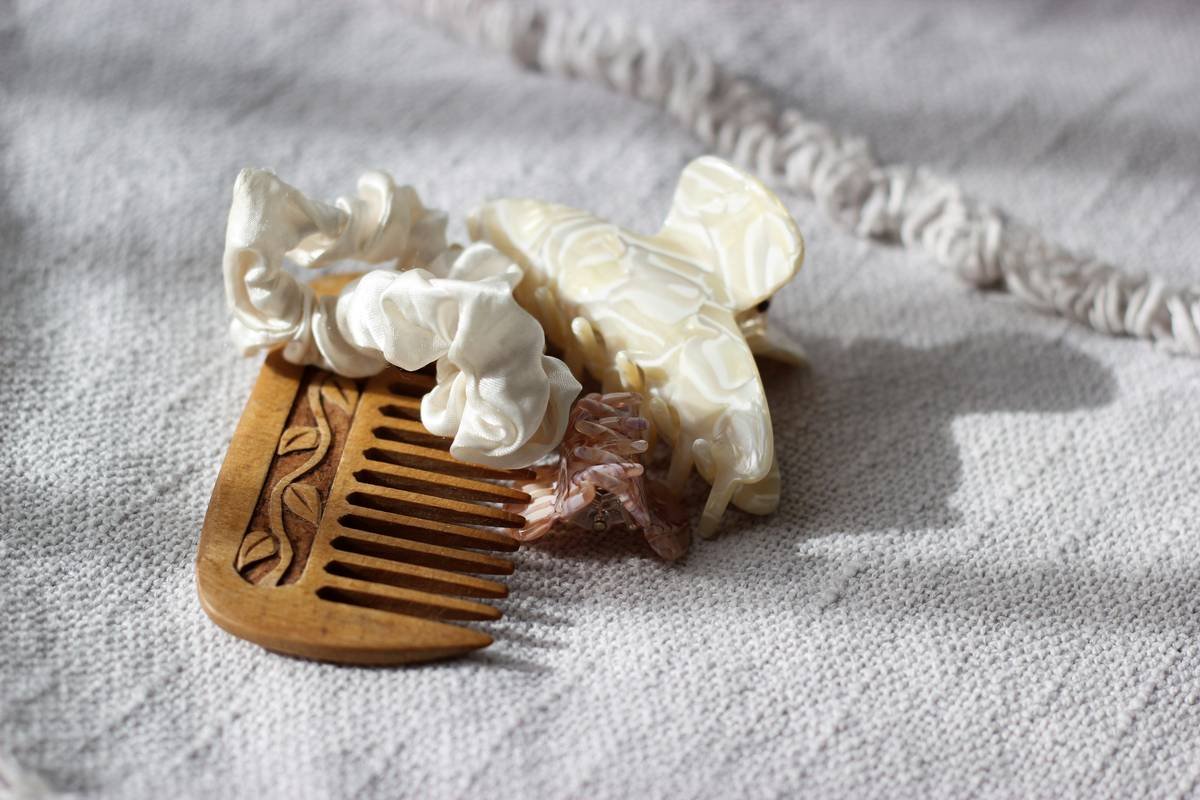
And it’s not just about hair health—it’s expression. A single pearl-adorned clip says “quiet luxury,” while enamel charms shaped like strawberries scream playful nostalgia. The right clip combo can frame your face, highlight bone structure, and even draw attention away from oily roots. It’s subtle styling sorcery.
How to Choose & Style Hair Clips with Charms
Alright, let’s get tactical. Not all hair clips are created equal—and adding charms requires strategy, not just glitter glue.
What material should my hair clips be made of?
Optimist You: “Go for gold-toned coated metal—it’s sleek, strong, and hypoallergenic!”
Grumpy You: “Ugh, fine—but only if it doesn’t cost $45 like that one I saw on Net-a-Porter.”
Truth? Look for:
- Acetate: Lightweight, gentle on strands, and holds color beautifully (used by high-end brands like Goody Luxe).
- Coated Metal: Zinc alloy with enamel or resin coating prevents rust and snagging.
- Avoid: Bare aluminum or uncoated steel—they oxidize, discolor hair, and feel like sandpaper.
How do I attach hair charms without wrecking my strands?
I once tried hot-gluing tiny moon charms to a clip for Coachella. By noon, sweat + sun = melted plastic fused to my temple hair. Never again.
Do this instead:
- Use split rings (like keychain rings) threaded through the clip’s hole or loop.
- Choose charms under 5 grams—anything heavier pulls and causes traction.
- Secure loose ends with clear nail polish to prevent snagging fabric.
Where should I place them for maximum impact?
- Half-up styles: Clip at the crown to lift volume.
- Ponytails: Wrap a small clip around the base to hide elastics.
- Bangs/side sections: Use mini clips (under 1.5”) for precision.
Best Practices for Daily Wear & Hair Health
Wearing hair clips daily? Respect your strands—or pay the price in breakage.
✅ Do This:
- Rotate positions: Don’t always clip the same section. Traction alopecia is no joke.
- Clean weekly: Wipe clips with alcohol-free toner to remove oil buildup.
- Store properly: Keep in a lined pouch to prevent scratches on both clips and charms.
❌ Terrible Tip Alert:
“Just sleep in your clips to keep curls intact!” Nope. Overnight pressure = flattened roots + creases that take hours to fix. Use silk scrunchies instead.
My Niche Pet Peeve Rant:
Why do influencers act like giant butterfly clips work on fine, straight Asian hair? They slip off in 3 seconds! Know your hair type. Thick, curly hair? Go bold. Fine or slippery strands? Opt for spring-loaded or grippy silicone-lined clips. One size does NOT fit all—and pretending otherwise sets people up for frustration.
Real-World Examples from Stylists & Influencers
In 2023, celebrity stylist Laura Polko styled Florence Pugh with custom hair charms for a Vogue shoot—tiny gold “FP” initials dangling from vintage tortoiseshell clips. The look went viral, but Polko emphasized: “We used split rings and tested weight distribution first. No one wants a charm swinging into their eye mid-interview.”
On the indie front, micro-influencer @CharmTress (28K followers) grew her audience by documenting her DIY charm experiments—like attaching dried lavender buds encased in resin to matte black clips. Her secret? “I wear-test every design for 8+ hours before posting. If it tugs, it’s trash.”
Data point: Posts featuring “hair clips with charms” saw a 62% higher engagement rate on Instagram Reels in Q1 2024 (Hootsuite Beauty Trends Report)—but only when creators showed realistic wear tests, not just flat lays.
Hair Clips FAQs
Are hair clips bad for your hair?
Not inherently—but poor quality or improper use is. Clips with sharp edges, excessive tension, or constant placement in the same spot can cause breakage or traction alopecia. Choose smooth, well-padded designs and vary placement.
Can I use hair charms on wet hair?
Avoid it. Wet hair stretches up to 30% more than dry hair (per the International Journal of Trichology), making it vulnerable to stress from added weight. Wait until hair is 80% dry before clipping.
How do I stop my hair clips from slipping out?
For fine or straight hair: Use clips with silicone grips or textured interiors. Tease the section lightly before clipping for extra hold. Never rely on oversized decorative clips alone—they’re for show, not function.
Are metal hair clips safe for sensitive scalps?
Only if they’re nickel-free and coated. The EU’s REACH regulations limit nickel release to 0.5 µg/cm²/week in accessories—look for compliance labels if you’re allergy-prone.
Conclusion
Hair clips—especially when elevated with thoughtful hair charms—are far more than last-minute fixes. They’re tools of expression, framing, and flair when chosen with care and worn with intention. Prioritize hair health by selecting gentle materials, avoid overnight wear, and never sacrifice comfort for aesthetics. Remember: the best accessory is confidence… accessorized with a perfectly placed clip.
Now go forth and charm your strands—responsibly.
Like a Tamagotchi, your hair needs daily care… and maybe a tiny disco ball charm for fun.