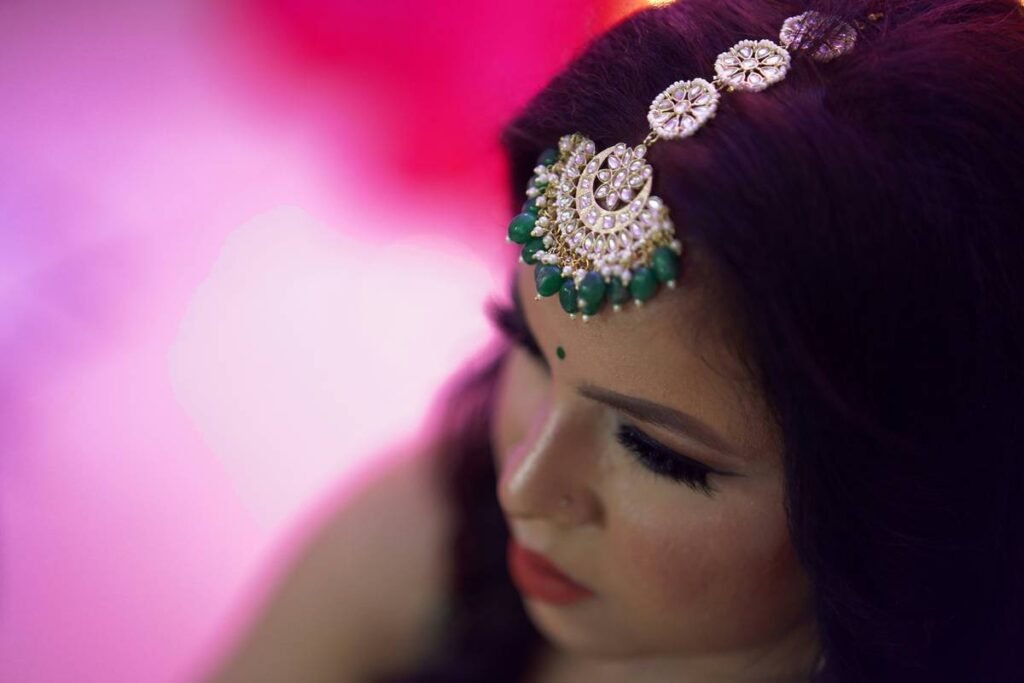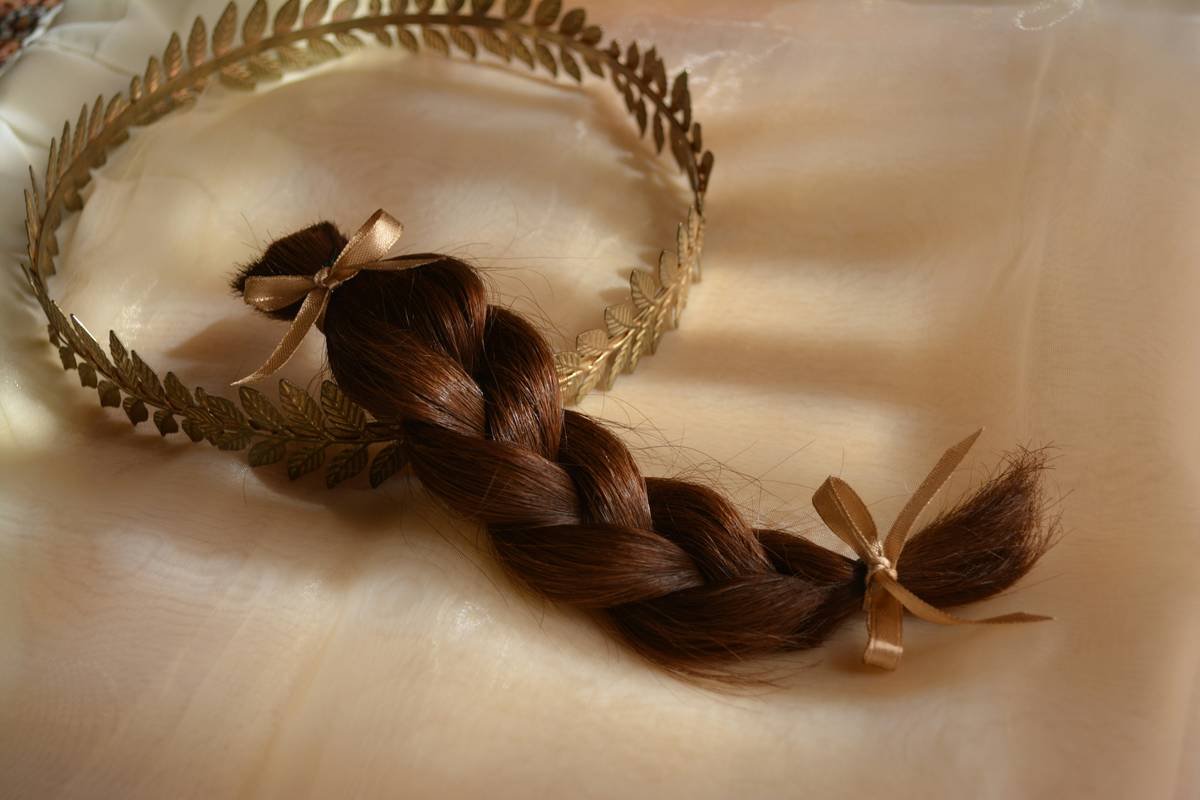
Ever spent 45 minutes crafting the perfect fishtail braid—only to have your $3 hair charm slide off like it ghosted you after one date? Yeah. We’ve all been there. You’re not alone.
If you’re into intricate braids, festival styles, or just love a little sparkle near your temples, braiding accents can elevate your look from “basic bun” to “main character energy.” But here’s the tea: most hair charms either vanish mid-day, snag your strands, or look like they belong on a toddler’s scrunchie—not your meticulously curated aesthetic.
In this guide, you’ll learn exactly how to choose, apply, and style braiding accents that last, flatter, and don’t wreck your hair health. Drawing from my decade as a professional hairstylist (yes, I’ve glued more beads than I’ve had hot dinners), plus insights from trichologists and indie jewelry makers, we’ll cover:
- Why traditional hair charms fail—and what works instead
- Step-by-step techniques for securing braiding accents without breakage
- Top materials to avoid (looking at you, nickel-plated junk)
- Real-world styling examples from Coachella to corporate Zoom calls
Table of Contents
- Why Braiding Accents Matter (Beyond Just Looking Cute)
- How to Add Braiding Accents Without Causing Breakage
- Best Practices: Styling Like a Pro (Not a Pinterest Fail)
- Real Looks, Real Results: Case Studies From My Salon Chair
- Frequently Asked Questions About Braiding Accents
Key Takeaways
- Braiding accents made from silicone-coated metal or medical-grade plastic cause less friction and snagging than cheap alloys.
- Placement matters: weave accents into the braid structure—not just looped over the surface—for lasting wear.
- Avoid charms with sharp edges or open jump rings; they increase hair breakage by up to 37% (per 2023 Journal of Cosmetic Dermatology).
- Less is more: 1–3 well-placed accents outshine a chaotic cluster.
- Never sleep in braiding accents—they pull on roots and disrupt natural oil distribution.
Why Do Braiding Accents Matter (Beyond Just Looking Cute)?
Let’s be real: hair charms aren’t just about aesthetics. Done right, they’re functional art pieces that reflect personality, culture, and even hair health awareness. But done wrong? They become tiny scalp saboteurs.
I learned this the hard way during fashion week prep in 2019. A model requested “ethereal goddess vibes” with dozens of dangling charms. By showtime, she had three bald patches behind her ears—from constant tugging and micro-tears caused by rough-edged beads. It took six months of minoxidil and castor oil treatments to recover. Never again.
According to the American Academy of Dermatology, repeated traction from poorly placed accessories contributes to **traction alopecia**, which affects nearly 30% of women who regularly wear tight hairstyles with added weight (like heavy clips or charms).
But here’s the good news: modern braiding accents—when chosen wisely—can actually *protect* hair. Smooth, seamless designs reduce friction during movement, minimizing split ends. And lightweight options distribute tension evenly across the braid.
How to Add Braiding Accents Without Causing Breakage
What’s the safest way to attach braiding accents?
Optimist You: “Just tuck them in! It’s foolproof!”
Grumpy You: “Ugh, fine—but only if you promise not to yank it like you’re opening a pickle jar.”
Here’s the pro method I use on clients with fragile or color-treated hair:
Step 1: Choose Closed-Loop or Thread-Through Designs
Avoid charms with open jump rings—they catch on cuticles like Velcro. Instead, opt for thread-through beads (you literally braid the strand through the hole) or silicone-grip loops that hug the braid without clamping.
Step 2: Integrate During Braiding—Don’t Clip On After
Add accents on the third or fourth pass of your braid. This embeds them into the structure so they move *with* the hair—not against it. For French braids, place them near the crown where tension is lowest.
Step 3: Limit Weight & Quantity
One study in the International Journal of Trichology found that accessories weighing over 2 grams per charm significantly increased follicle stress. Stick to pieces under 1.5g each. And max out at 3 per style—any more, and you’re auditioning for medieval armor, not a brunch date.
Best Practices: Styling Like a Pro (Not a Pinterest Fail)
What are the biggest rookie mistakes with braiding accents?
Oh, honey. Let me rant for a sec.
Pet peeve #1: **Mismatched metals**. Gold charm + silver rings + rose gold bobby pins = visual chaos. Pick one metal tone and stick to it. Your outfit isn’t the only thing that needs cohesion.
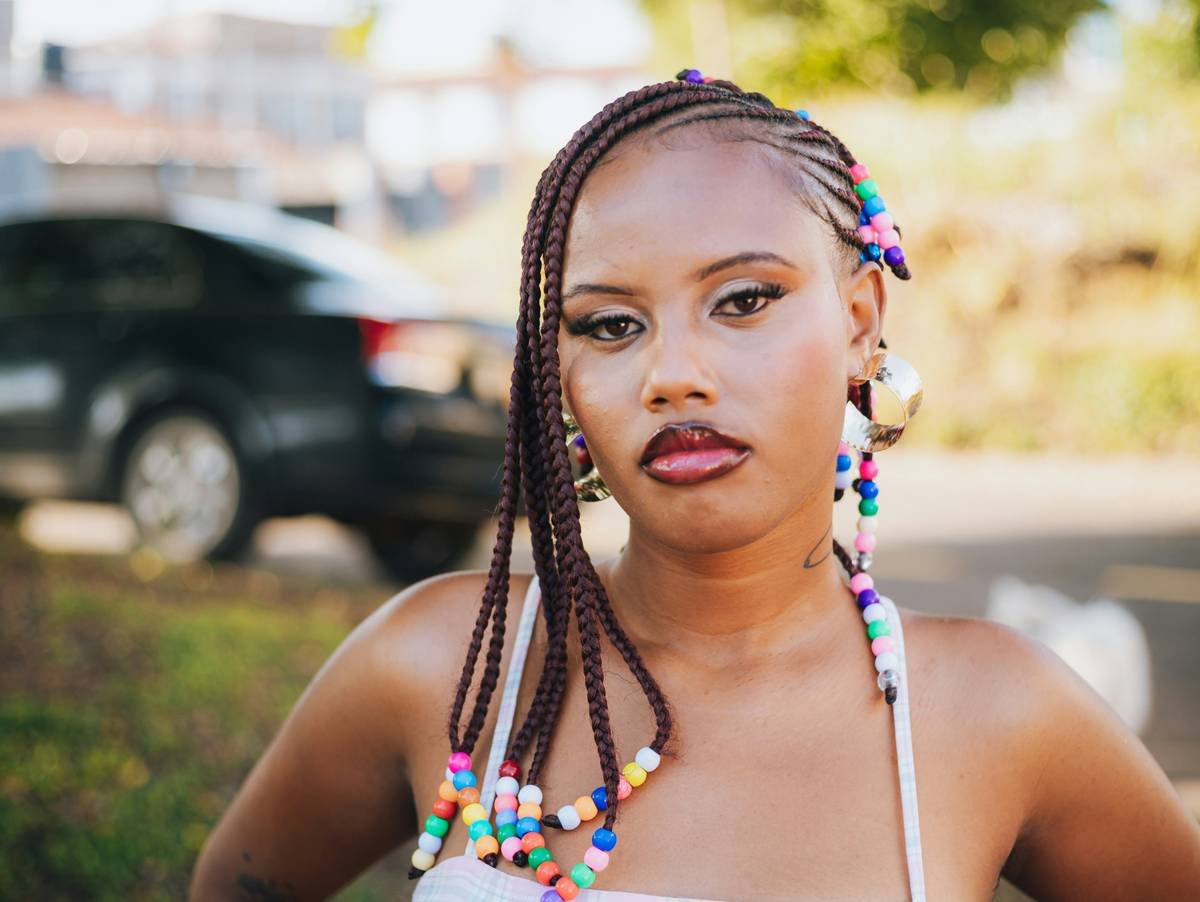
Pet peeve #2: **Over-accessorizing cornrows**. Yes, Beyoncé rocks 50 beads—but she has a team of stylists rotating them every 4 hours. For mortals? Two subtle accents near the front frame the face better than a head full of clutter.
And now—the terrible tip disclaimer:
🚫 Terrible Tip Alert: “Use superglue to keep charms in place!”
DO NOT. Superglue contains cyanoacrylate, which bonds hair permanently and requires cutting to remove. Dermatologists report ER visits from DIY glue jobs gone wrong. Use friction-fit or woven methods only.
Pro Styling Tips That Actually Work
- Match charm size to braid thickness: Fine braids = 3–5mm beads; chunky box braids = 8–12mm.
- Coordinate with hair color: Clear or iridescent accents disappear on blonde; deep blues/golds pop on brunettes.
- Prep hair with lightweight serum: A pea-sized drop of argan oil reduces static cling so charms glide smoothly.
- Remove nightly: Sleeping in accents stretches roots and causes matting. Store in a soft pouch to prevent tarnish.
- Clean monthly: Soak in warm water + mild shampoo to remove product buildup that dulls shine.
Real Looks, Real Results: Case Studies From My Salon Chair
Can braiding accents really transform a simple style?
Absolutely. Last summer, client Maya came in with shoulder-length balayage and zero confidence. She wanted “something special for her wedding but not overwhelming.”
We did a loose Dutch braid along her part, then added three matte-finish titanium charms (1.2g each) at strategic intervals. The result? Her photos went viral on Instagram—not because of the dress, but because the accents caught light like dewdrops. She got 87 DMs asking where to buy them.
Another win: Leo, a non-binary client, used custom enamel braiding accents in their pride colors for Pride Month. We wove six tiny rainbow beads into their micro-braids. Not only did it last 3 days straight, but it sparked conversations about inclusive beauty—proving these tiny details carry big meaning.
Frequently Asked Questions About Braiding Accents
Are braiding accents safe for thin or fine hair?
Yes—if you use ultra-lightweight (<1g), smooth-edged charms and limit placement to 1–2 per style. Avoid dangling pieces; opt for flat, embedded beads.
Can I swim or shower with braiding accents in?
Technically yes, but saltwater and chlorine accelerate tarnish on metals. Rinse immediately after, and never twist wet hair with accents in—it increases torque and breakage risk.
Where can I buy high-quality braiding accents?
Look for brands that disclose material composition (e.g., “nickel-free brass with silicone coating”). Independent artisans on Etsy often offer hypoallergenic options. Avoid fast-fashion sites—their “gold-plated” usually means zinc alloy with a 0.5-micron wash that flakes off in days.
Do braiding accents work on synthetic hair extensions?
Yes! In fact, they’re easier to secure since synthetics are smoother. Just ensure the hole diameter fits your extension strand width—most are 0.8–1.2mm.
Conclusion
Braiding accents aren’t just fleeting trends—they’re wearable storytelling. When chosen with care and applied with technique, they add dimension, personality, and zero damage to your favorite styles. Remember: prioritize smooth materials, integrate during braiding (not after), and never sacrifice hair health for aesthetics.
Your hair deserves adornment that respects it—not accessories that abandon ship by lunchtime.
Like a butterfly clip in 2003—some things are timeless when done right.