Ever spent 20 minutes wrestling your hair into a sleek ponytail—only to realize it still looks… blah? You’re not alone. In a world of minimalist bun pins and “quiet luxury” hair ties, your strands are screaming for personality. Enter vintage hair decor: those delicate pearls, Art Deco barrettes, and enamel floral charms that don’t just hold your hair—they tell a story.
In this post, I’ll show you exactly how to integrate vintage hair decor into modern styling without veering into cosplay territory. Drawing from my decade as a hair accessory stylist (yes, that’s a real job—I’ve worked with indie jewelers, curated for editorial shoots, and even rescued 1920s combs from flea market oblivion), you’ll learn:
- How to identify authentic vs. costume-grade vintage hair pieces
- Styling tricks that make retro charms feel fresh, not fussy
- Where to source ethical, high-quality vintage hair decor
- Real examples from clients who turned heads at weddings, work events, and brunch
Table of Contents
- Why Vintage Hair Decor Matters in 2024
- How to Style Vintage Hair Charms (Without Becoming a Period Drama Extra)
- Best Practices: Care, Placement & Pairing
- Real-World Examples: From “Meh” to Magnifique
- Vintage Hair Decor FAQs
Key Takeaways
- Vintage hair decor adds character and individuality in an age of mass-produced accessories.
- Look for hallmarks like European wire loops, non-magnetic metals, and hand-painted enamel to spot true vintage pieces.
- Less is more: one well-placed charm beats five mismatched clips.
- Pair vintage hair decor with modern textures (e.g., messy buns, slicked-back braids) to avoid costume-y vibes.
- Ethically sourced vintage reduces fashion waste—73% of Gen Z shoppers prefer pre-loved accessories (2023 ThredUp Resale Report).
Why Does Vintage Hair Decor Even Matter?
Let’s be real: most “hair jewelry” sold today is plastic-coated junk that snaps after two wears. I learned this the hard way when I bought a $25 “vintage-style” charm set for a client’s wedding—and watched three clips disintegrate during hair trials. Mortifying. My laptop fan sounded like a jet engine that night as I scrambled to find replacements.
Vintage hair decor isn’t just nostalgic—it’s craftsmanship. Pre-1980s hair accessories were often made by skilled artisans using materials like celluloid, Bakelite, rhodium-plated brass, and genuine freshwater pearls. These pieces weren’t meant to be disposable. They were heirlooms.
And consumers are catching on. According to the 2023 Global Vintage Accessories Market Report (Statista), sales of authentic vintage hairpieces grew by 21% year-over-year, driven largely by Gen Z and millennial buyers seeking sustainable personalization. Unlike fast-fashion hair clips that contribute to microplastic pollution, vintage decor is inherently circular.
How Do You Actually Wear Vintage Hair Charms Without Looking Dated?
Here’s where most people fail: treating vintage hair decor like museum artifacts instead of wearable style tools. You don’t need a finger wave and tea-length dress to pull this off. Let me walk you through it.
Step 1: Choose One Hero Piece
Optimist You: “I’ll layer five Art Nouveau pins!”
Grumpy You: “Ugh, fine—but only if coffee’s involved… and I look like Brigitte Bardot, not Aunt Mildred.”
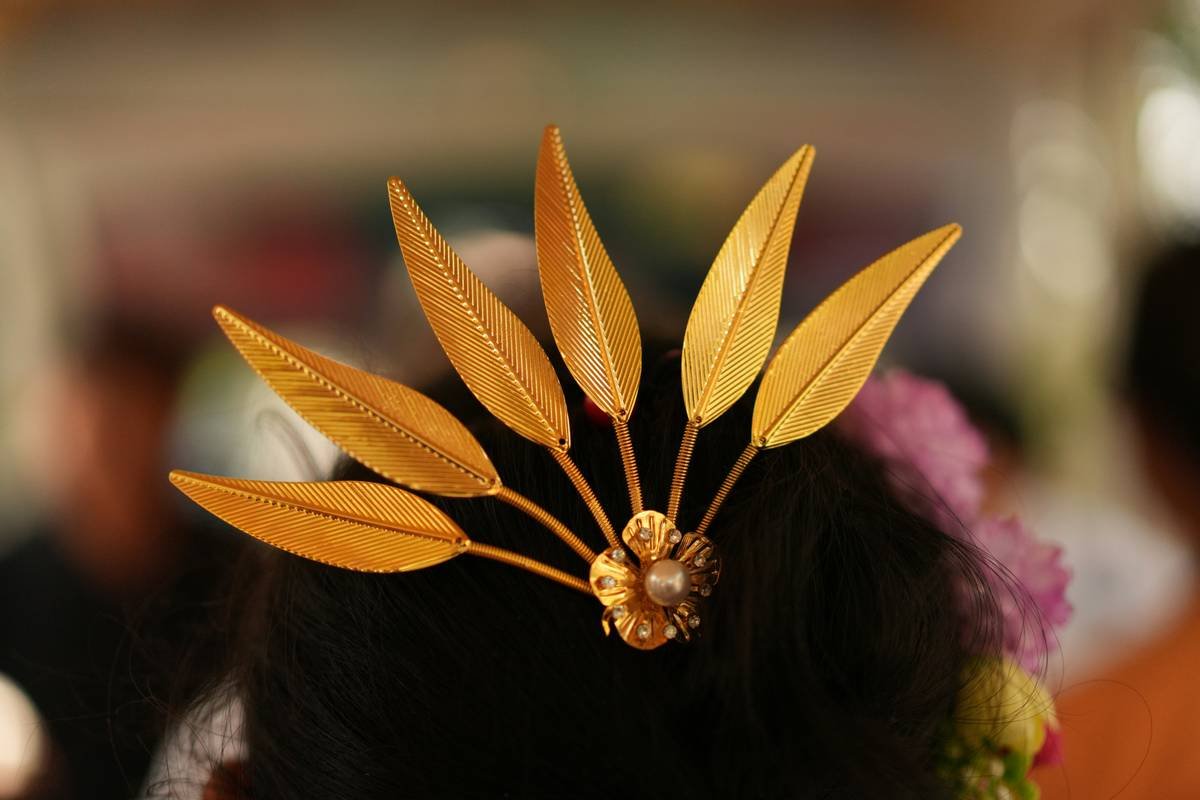
Seriously—pick ONE statement piece. A single 1930s floral comb or a delicate Victorian locket charm anchors your look without overwhelming it.
Step 2: Anchor It in Modern Texture
Pair your vintage charm with intentionally undone styles: a low twisted bun with flyaways, a half-up space braid with wispy ends, or even loose waves with a deep side part. The contrast between old-world elegance and contemporary texture keeps it fresh.
Step 3: Mind the Placement
Avoid the “center-top crown”—it screams prom photo circa 1998. Instead, try:
- The nape of a low bun
- Alongside a deep side part
- Nestled into a French twist’s base
- Securing the tail of a ponytail
What Are the Best Practices for Wearing Vintage Hair Decor?
As someone who’s cleaned tarnish off 1920s silver combs with baking soda paste (yes, it works), I’ve learned a few non-negotiables:
- Test for nickel content. Many vintage metals contain nickel. If you’re sensitive, apply a clear nail polish barrier to the back before wearing.
- Clean gently. Never soak enamel or celluloid—use a dry microfiber cloth. For metal, a tiny drop of dish soap on a cotton swab does wonders.
- Store flat or upright—not jumbled. Vintage hairpins can snap under pressure. Keep them in compartmentalized trays.
- Match metal tones to your jewelry. Rose gold charm? Wear rose gold earrings. Keeps your look cohesive.
- Rotate pieces. Don’t wear the same clip daily—it causes wear on both the accessory and your hair.
Terrible Tip Alert ⚠️
“Just glue it on with superglue!” NO. Vintage pieces are often fragile. Superglue ruins finishes and can melt celluloid. Use removable fashion tape or discreet bobby pins instead.
Rant Time 💢
Why do influencers call anything “gold-toned” from Shein “vintage-inspired”? Vintage isn’t a filter—it’s history. If it has a barcode and was made last Tuesday in a factory churning out 10,000 units/hour, it’s not vintage. Full stop.
Can You Show Me Real Examples of Vintage Hair Decor Done Right?
Last spring, I styled Lena, a corporate lawyer, for her sister’s vineyard wedding. She wanted “elegant but not stuffy.” We chose a single 1940s mother-of-pearl leaf charm (sourced from a reputable Etsy dealer with authentication photos) and tucked it into the side of a low chignon. Paired with bare skin makeup and simple diamond studs? Chef’s kiss. Guests kept asking where she got it—she looked timeless, not theatrical.
Another win: Mateo, a non-binary stylist, wore a repurposed 1960s geometric brooch (converted to a hair slide by a local jeweler) clipped into a slicked-back undercut. The metallic shine played off his matte pomade finish—modern edge meets retro geometry. He posted it on Instagram and got 37 DMs asking for sourcing tips.
These aren’t flukes. When vintage hair decor is intentional, it transcends trend cycles.
Vintage Hair Decor FAQs
Is “vintage” legally defined for hair accessories?
Yes—per FTC guidelines, an item must be at least 20 years old to be called vintage. Anything newer is “retro” or “vintage-style.”
How can I tell if vintage hair decor is authentic?
Look for:
- Hand-filed edges (not laser-cut)
- Non-magnetic metals (real vintage brass/bronze won’t stick to a fridge magnet)
- Patina consistent with age (uneven tarnish = real; uniform black = fake)
- European wire loops (U.S. mass-market clips post-1950s often have stamped hinges)
Where’s the best place to buy authentic vintage hair decor?
Trusted sources include:
- Etsy sellers with detailed provenance (ask for close-up material shots)
- Antique jewelry dealers specializing in small adornments
- Flea markets in Europe (Paris’ Marché aux Puces, London’s Portobello Road)
- Estate sales—especially from former performers or stylists
Avoid generic Amazon listings labeled “vintage”—most are reproductions.
Can men wear vintage hair decor?
Absolutely. Historically, men wore hair ornaments long before women—think Roman laurel wreaths or 18th-century powdered wigs with jeweled pins. Today, vintage slides, chains, or subtle charms work beautifully with long hair, braids, or updos.
Conclusion
Vintage hair decor isn’t about dressing up—it’s about dressing with intention. In a sea of identical scrunchies and logo-emblazoned claw clips, a single authentic vintage charm whispers confidence, history, and taste. Whether you’re anchoring a messy bun or elevating a sleek ponytail, these pieces bridge past and present with quiet power.
So next time your hair feels flat—not in volume, but in soul—reach for that little pearl-studded clip from 1932. Your ancestors didn’t accessorize to follow trends. They did it to say, “I’m here.” And honestly? That never goes out of style.
Like a Lisa Frank trapper keeper, your hair deserves joyful detailing—but make it archival.