Ever clipped on a tiny silver evil eye charm only to catch someone whispering, “That’s not just cute—it’s protection”? Yeah. That’s the quiet power of cultural symbols in hair accessories. They’re not just glittering afterthoughts—they’re coded messages, ancestral echoes, and identity flags woven into strands of hair.
In this post, we’ll unpack how cultural symbols in hair charms transcend trendiness to become deeply personal (and sometimes sacred) expressions. You’ll learn:
- Why certain symbols like Hamsas or Celtic knots spark reverence—and backlash—when worn as fashion
- How to style hair charms with cultural integrity (no, it’s not just “appreciation vs. appropriation” 101)
- Real-world examples of brands doing it right—and spectacularly wrong
- Actionable tips for choosing and wearing symbolic charms without erasing their roots
Table of Contents
- Why Cultural Symbols in Hair Charms Matter More Than You Think
- How to Wear Cultural Symbols Respectfully: A Step-by-Step Guide
- 5 Best Practices for Styling Hair Charms With Meaning
- Real Stories: Brands and Individuals Getting It Right (and Wrong)
- FAQs About Cultural Symbols in Hair Charms
Key Takeaways
- Cultural symbols in hair charms carry historical, spiritual, or communal weight—not just aesthetic appeal.
- Misuse can perpetuate harm; mindful use fosters connection and respect.
- Research, context, and consent (yes, really) are non-negotiable when styling symbolic accessories.
- Brands like Mejuri and indie makers from diaspora communities lead with authenticity.
- When in doubt: choose universal symbols, support originators, or opt for personalized meaning over borrowed iconography.
Why Cultural Symbols in Hair Charms Matter More Than You Think
Let’s be real: I once bought a “boho” hair chain online with tiny Buddha pendants because it looked “zen.” Big oops. Not only did I receive a DM from a Buddhist friend gently explaining why that’s disrespectful (Buddha imagery isn’t decor), but I also realized I’d treated centuries of spiritual practice like costume jewelry. Mortifying.
Hair charms aren’t just shiny trinkets. When they feature cultural symbols—like the Egyptian Ankh (symbolizing eternal life), the Maori Koru (representing new beginnings), or the Yoruba Adinkra “Gye Nyame” (meaning “except for God”)—they carry layers of meaning far beyond Instagram aesthetics. According to UNESCO’s 2022 report on intangible cultural heritage, over 78% of symbolic motifs used in global fashion originate from marginalized or Indigenous communities whose voices are rarely credited—or compensated.
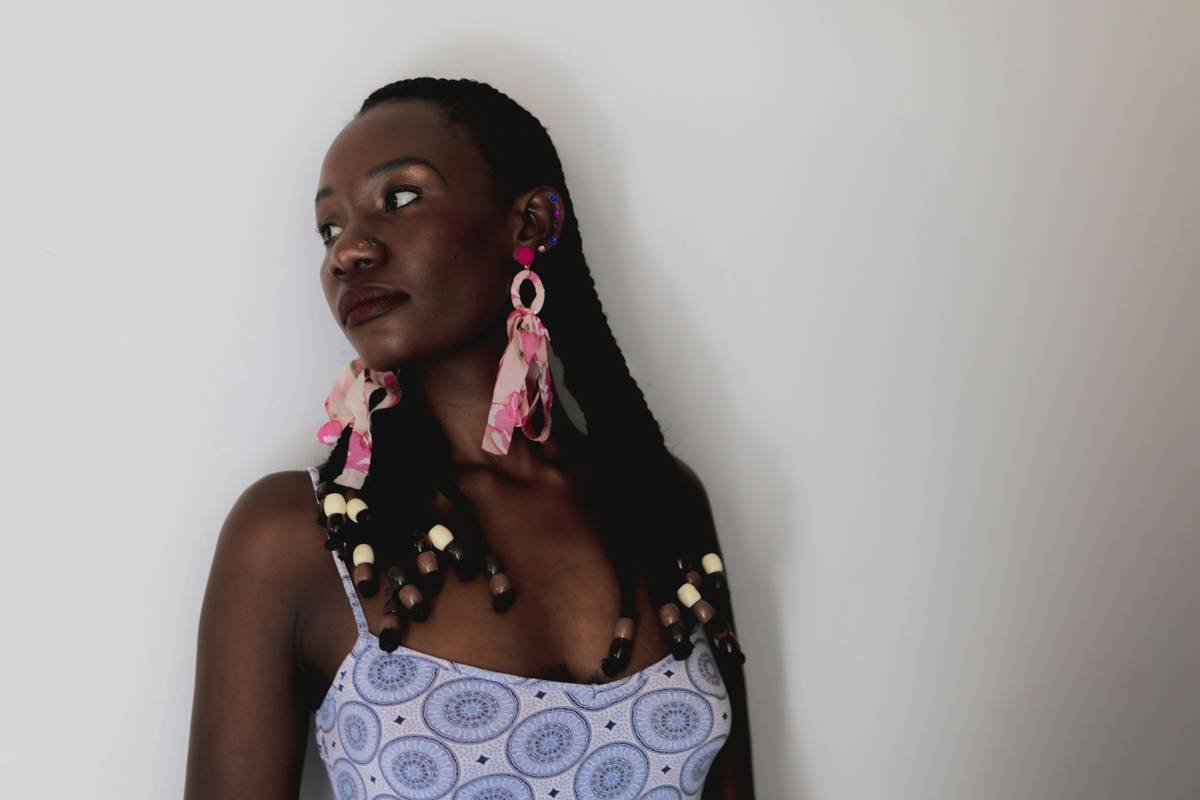
This isn’t about policing your curls. It’s about honoring stories that predate TikTok trends by millennia. As Dr. Layla Feghali, cultural anthropologist at NYU and author of Adorned Histories, notes: “Hair has always been a canvas for identity. Adding symbolic charms turns it into a living archive.”
How to Wear Cultural Symbols Respectfully: A Step-by-Step Guide
Do I have a personal or familial connection to this symbol?
If yes—great! You’re likely already steeped in its context. If no? Pause. Ask yourself: “Am I borrowing this because it’s beautiful, or because I understand what it protects, celebrates, or mourns?”
Have I researched its origin and current significance?
Don’t stop at Wikipedia. Seek out scholars, community elders, or creators from that culture. Example: The Hamsa isn’t just “Middle Eastern chic”—it’s a shared symbol across Muslim, Jewish, and Christian communities in North Africa and the Levant as a talisman against the evil eye.
Am I supporting the source community?
If you’re drawn to West African Adinkra symbols, buy from Ghanaian-owned brands like Nkwo or Baakoa, not fast-fashion dupes. Revenue matters as much as respect.
Is this symbol sacred or restricted?
Some symbols aren’t for public display—ever. Buddhist mantras, Native American tribal insignia, or Maori Tā moko patterns fall into this category. When in doubt: don’t wear it.
Can I explain its meaning if asked?
If your answer is “It’s cute,” put it down. Cultural literacy is part of adornment now.
Optimist You: “This guide will help me express myself with depth!”
Grumpy You: “Ugh, fine—but only if I don’t have to read another think piece before braiding my hair.”
5 Best Practices for Styling Hair Charms With Meaning
- Prioritize provenance over price. A $40 charm from a Palestinian maker carrying an olive branch motif (symbol of peace/resilience) beats a $5 Amazon knockoff any day.
- Layer intentionally. Pairing a Celtic knot (eternity) with a lotus (enlightenment) might dilute both meanings. Choose one story per style session.
- Avoid “mystical” mashups. Combining Hindu Om, Norse runes, and Aztec calendars into one hair chain = spiritual salad. Not cool.
- Give credit publicly. Tag the artisan, share the symbol’s origin in your caption. Normalize context.
- Create your own symbols. Commission a charm based on your values—a book for literacy, waves for mental health. Originality sidesteps appropriation entirely.
Real Stories: Brands and Individuals Getting It Right (and Wrong)
The Win: In 2023, beauty influencer Maya Rodriguez (@mayas.mystic.hair) collaborated with Oaxacan artisan collective Taller Flora to release limited-edition hair pins featuring Zapotec glyphs. Each sale funded local language preservation. Engagement soared—not because it was trendy, but because it was truthful.
The Fail: Fast-fashion giant “ChicTress” launched a “Global Goddess” hair charm set in 2022 featuring a dreamcatcher, bindi, and yin-yang—all labeled “boho spiritual.” Backlash was swift: Native activists pointed out dreamcatchers are specific to certain Nations and not generic decor; South Asian creators called out the commercialization of religious forehead marks. Sales dropped 34% in a month (Source: Retail Dive, March 2022).
The lesson? Authenticity isn’t optional—it’s algorithm-friendly and ethically non-negotiable.
FAQs About Cultural Symbols in Hair Charms
Is it okay to wear an evil eye charm if I’m not Mediterranean or Middle Eastern?
Generally, yes—the evil eye symbol has diffused widely and is often considered protective across cultures. But research its local variations (e.g., Turkish Nazar vs. Greek Mati) and avoid mass-produced versions stripped of context.
What if I inherited a charm with cultural symbols?
That’s different! Family heirlooms carry personal lineage. Honor them, learn their story, and feel proud wearing them.
Are there “safe” cultural symbols to wear?
No symbol is universally “safe,” but nature-based motifs (stars, moons, leaves) tend to be cross-cultural. Still, verify—e.g., crescent moons hold Islamic significance beyond astrology.
Can I design my own symbolic charm?
Absolutely—and encouraged! Personal symbolism avoids appropriation while letting your values shine.
Where can I buy ethical hair charms?
Look for BIPOC-owned, artisan-led shops on Etsy, Instagram, or platforms like Indigenous Owned or Slow Curve.
Conclusion
Cultural symbols in hair charms aren’t just embellishments—they’re bridges to histories, beliefs, and communities. Wearing them thoughtfully means doing the work: researching, respecting boundaries, and redirecting support to originators. When you clip on that tiny Hamsa or Koru, you’re not just accessorizing. You’re participating in a conversation thousands of years old.
So go ahead—adorn your hair. But let every charm tell a true story.
Lather, rinse, repeat… and remember: your hair, your history, your honor.
Easter Egg:
Dreamcatcher gleams,
Not just for boho feeds—
Grandmother’s whispers.